Mini tools
-



 Sue🛠️ 16 tools 🙏 522 karmaJul 22, 2025@Pro DraftsmanAwesome tool!
 -









-

-
 Open
Open





 Easily become a fashion designer with this helpful AI tool.
 -

-





 Cute greeting cards with that homemade feel.
 -
 Open
Open








-

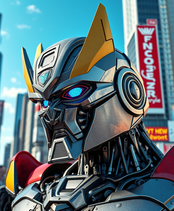






 Great at rendering epic characters such as Godzilla, King Kong, and other cool CGI characters.
 -
 Transform ideas into award-winning anthropomorphic images.Open








-
 Transform travel memories into AI-generated artistic postcards.Open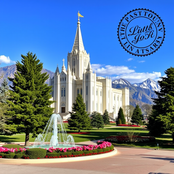







 This tool generates fantastic images of beautiful places, just like a postcard.
 -








 This tool generates super cute cartoon characters including Charlie Brown, Homer Simpson, etc.
 -









-
**Welcome to Japan!** =============== I'm thrilled to help you plan your trip to Tokyo and Kyoto, two of Japan's most iconic cities. Here's an insider's guide to must-see attractions, local customs, and essential safety tips to ensure a wonderful experience. **Must-see Attractions in Tokyo:** 1. **Shibuya Crossing**: One of the busiest intersections in the world, surrounded by shopping and entertainment districts. 2. **Tokyo Tower**: A classic Tokyo landmark with great city views. 3. **Meiji Shrine**: A serene Shinto shrine dedicated to the deified spirits of Emperor Meiji and his wife, Empress Shoken. 4. **Asakusa**: Explore the historic Senso-ji Temple and Nakamise Shopping Street, one of the oldest shopping streets in Japan. 5. **Akihabara**: Tokyo's electronic and anime hub, also known as "Electric Town." **Must-see Attractions in Kyoto:** 1. **Fushimi Inari Shrine**: Famous for its thousands of vermilion torii gates forming a tunnel up the mountain. 2. **Kinkaku-ji Temple (Golden Pavilion)**: A stunning example of Japanese architecture, covered in gold leaf. 3. **Arashiyama Bamboo Grove**: A serene and picturesque bamboo forest perfect for a peaceful stroll. 4. **Gion District**: Explore the traditional Japanese quarter, famous for geisha culture and tea houses. 5. **Kiyomizu-dera Temple**: A UNESCO World Heritage site and one of Kyoto's most celebrated temples. **Local Customs:** 1. **Bowing**: Bowing is a significant custom in Japan, used as a greeting, apology, or sign of respect. A bow is typically a 15-20 degree inclination of the head. 2. **Gift-giving**: When giving gifts, especially to elders, use both hands, and receive gifts with a slight bow. 3. **Table Manners**: Wait for the host to start eating, try a little of each dish, and don't leave your chopsticks standing upright in your rice bowl (it's considered rude). 4. **Dress Modestly**: Avoid revealing clothing, especially when visiting temples or shrines. **Safety Tips:** 1. **Pickpocketing**: Be mindful of your belongings, especially in crowded areas and train stations. 2. **Traffic**: Be cautious when crossing streets, as traffic rules may differ from your home country. 3. **Earthquakes**: Familiarize yourself with earthquake evacuation procedures, and know the emergency numbers (110 for police, 119 for fire and ambulance). 4. **Lost**: If you get lost, don't hesitate to ask for help. Many Tokyo and Kyoto residents speak some English, and you can also look for tourist information centers. **Additional Tips:** 1. **Language**: While many signs and menus are translated, learning basic Japanese phrases (e.g., "konnichiwa" for hello, "arigatou" for thank you) will enhance your experience. 2. **Currency**: The Japanese yen is the local currency. You can exchange currency at airports, banks, or currency exchange machines. 3. **Weather**: Spring (March to May) is a great time to visit Japan, with mild temperatures and stunning cherry blossoms. 4. **Transportation**: Tokyo's public transportation system is efficient, but Kyoto's is more limited. Consider purchasing a prepaid IC card (e.g., Suica or Pasmo) for easy travel. **Final Tips:** 1. **Respect**: Always respect local customs and traditions to ensure a positive experience. 2. **Flexibility**: Be prepared for crowds, lines, and occasional language barriers. 3. **Enjoy**: Immerse yourself in Japanese culture, try new foods, and soak up the unique atmosphere of these incredible cities! Have a fantastic time in Tokyo and Kyoto!
-
Greetings, fellow foodie! I'm thrilled to help you find an amazing burger joint with vegan options in the concrete jungle of New York City! After scouring my database, I highly recommend checking out these top-notch burger spots with vegan options: 1. **Shake Shack**: This modern day "roadside" burger stand has a dedicated vegan ShackBurger featuring a patty made from black beans, brown rice, and roasted sweet potatoes. You can also customize your burger with vegan cheese and mayo. Multiple locations throughout NYC. 2. **Bareburger**: This eco-friendly burger joint boasts an impressive vegan menu, including the **Vegan American** burger featuring a Beyond Meat patty, and the **Wild Mushroom** burger with a portobello mushroom patty. Don't forget to try their vegan mayo and cheese options! Multiple locations throughout NYC. 3. **Smashburger**: This chain offers a **Vegan Black Bean & Sweet Potato Burger**, featuring a flavorful patty made with black beans, sweet potatoes, and a hint of cumin. You can customize it with vegan cheese, guac, and more! Multiple locations throughout NYC. All of these options cater to common allergens like gluten-free, soy-free, and nut-free diets. Be sure to inform your server about any specific allergies or preferences. Pro Tip: For even more vegan options, consider visiting during **Happy Hour** (usually between 3 pm to 6 pm) when many restaurants offer discounted prices and special deals! Get ready to indulge in a juicy, satisfying burger that aligns with your dietary needs! Happy eating, and don't hesitate to ask for more recommendations!
-
 AI-powered t-shirt designer: Ideas to eye-catching garmentsOpen







-




Sponsor
 Rocket - Start building, Now!
💻 Vibe coding
Rocket - Start building, Now!
💻 Vibe coding
#1 website for AI tools.Used by 80M+ humans.