PDFClean.ai
 Mini tools
Ianis Pavel's tools
-
 Unleash linguistic creativity with AI-powered storytelling tools.Open
-
 OpenCertainly! To create a unique conlang that mixes Indonesian, Nordic, and Spanish elements, I'll need a bit more information from you. Please provide the following details: 1. **Phonetic Style**: Do you prefer a soft, harsh, melodic, or a combination of these styles? 2. **Cultural or Thematic Influences**: Are you leaning towards fantasy, science fiction, historical, or another theme? 3. **Grammatical Structure**: Would you like a subject-verb-object (SVO), verb-subject-object (VSO), or another structure? Once I have this information, I can craft a detailed overview of your new conlang, complete with a phonetic alphabet, basic vocabulary, and grammatical rules.
 -
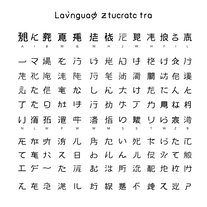 Open# The Sibilant-Tonal Language Family ## Key Phonetic Features The Sibilant-Tonal language family is characterized by: - A large inventory of sibilant consonants, including: - Alveolar, postalveolar, and retroflex sibilant fricatives and affricates - Voiced and voiceless sibilants - Ejective sibilants - Complex tonal systems with 4-6 contrastive tones - Lack of labial consonants - Vowel harmony based on tongue root position - Syllable-final consonant clusters ## Historical and Cultural Context This language family likely developed in a mountainous region with isolated valleys, allowing for the preservation of unusual phonetic features. The cultures that speak these languages traditionally place great importance on oral storytelling and poetry, leading to the development of complex tonal systems for expressive purposes. ## Sample Languages ### 1. Zishān **Consonant Inventory:** /s z ʃ ʒ ʂ ʐ t͡s d͡z t͡ʃ d͡ʒ ʈ͡ʂ ɖ͡ʐ s' ʃ' ʂ' t h ɲ ŋ/ **Vowel Inventory:** /i ɨ u e ə o a/ **Tones:** 5 level tones (˥ ˦ ˧ ˨ ˩) **Example word:** /ʃa˥ʂə˩/ - "mountain" ### 2. Xisúth **Consonant Inventory:** /s z ɕ ʑ ʂ ʐ t͡s d͡z t͡ɕ d͡ʑ ʈ͡ʂ ɖ͡ʐ θ ð c ɟ k g x ɣ/ **Vowel Inventory:** /i y ɯ u e ø ɤ o ɛ ɔ a/ **Tones:** 4 contour tones (˥˩ ˩˥ ˦˨ ˨˦) **Example phrase:** /ɕi˥˩θu˨˦ ʂa˩˥ɕø˦˨/ - "flowing river" Both languages exhibit the characteristic features of the Sibilant-Tonal family, including complex sibilant inventories, tonal contrasts, and a lack of labial consonants. They differ in their specific consonant and vowel inventories, as well as their tonal systems, demonstrating the diversity within the family.
 -
Based on your description, I've created a unique baby name that combines elements of Filipino and German cultures. **Name:** Fayeza Allegra **Meaning:** Fayeza is a Filipino name that means "happiness" or "joy", while Allegra is a German name that means "cheerful" or "lively". **Breakdown:** * Fayeza is a unique and rare Filipino name that reflects the cultural heritage of the Philippines. * Allegra is a German name that adds a touch of European flair to the overall name. **Pronunciation:** FAY-zah AH-leh-gruh This name combines the happiness and creative spark you mentioned, with a touch of fantasy and cultural heritage from both Filipino and German roots. What do you think?