 Tendem
 Mini tools
@pianogirlone2
Hi, pianogirlone2 here, I been helping out with my friends for years and there a campaign event to close drippingquillsforum down by Christmas but it cost $300 buck. Please help my friend stop their verbal harassment. The website will be posted below and if you do help , I’m happy for you that love my ai tool and I will create more ideas just for you. Thanks you and Happy Holiday to all of you.
Stats
20 tools
302karma
Strategist
Joined: December 2024
Follow
's tools
-

-
 Transform nightmares into hauntingly beautiful art.Open
-

-

-

-

-

-
 Transform Winnie the Pooh into Disney magic.Open
-


-

-
 Open
Open
-


-


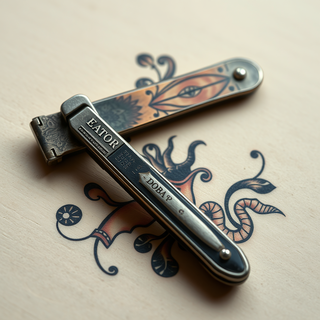





 Stefan Angelo🛠️ 1 tool 🙏 162 karmaJul 16, 2025@Create a tattoo artPretty damn accurate. Give ya exactly what you write (might not be the same with what you envision in your head , but still close to that)
 -
 Open
Open






-



-
 Create spine-chilling deep-sea monsters with AI.Open





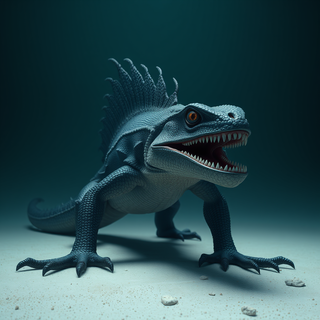


-
 AI-powered Hashimoto's disease insights at your fingertips.Open### Comprehensive Overview of Hashimoto's Disease #### What is Hashimoto's Disease? Hashimoto's disease, also known as Hashimoto's thyroiditis, is an autoimmune disorder where the immune system mistakenly attacks the thyroid gland. The thyroid gland, located at the base of the neck, produces hormones that regulate metabolism, heart rate, and body temperature, among other functions. When the thyroid is damaged, it can lead to an underactive thyroid, a condition known as hypothyroidism. #### How Does Hashimoto's Disease Affect the Body? In Hashimoto's disease, the immune system produces antibodies that attack the thyroid gland, causing inflammation and damage. This inflammation can reduce the thyroid's ability to produce sufficient thyroid hormones. Over time, the thyroid may become enlarged, forming a goiter. The reduced hormone production leads to a slowdown in metabolism and other bodily functions, resulting in a range of symptoms. #### Common Symptoms of Hashimoto's Disease The symptoms of Hashimoto's disease can vary widely among individuals and may develop gradually. Common symptoms include: - **Fatigue**: Extreme tiredness and lack of energy. - **Weight Gain**: Difficulty losing weight despite changes in diet and exercise. - **Cold Intolerance**: Feeling cold, especially in extremities. - **Constipation**: Slowed digestive system. - **Dry Skin**: Skin may become rough and dry. - **Hair Loss**: Hair may become brittle and fall out. - **Depression**: Mood changes and depression. - **Muscle Weakness**: Reduced muscle strength. - **Heavy Menstrual Periods**: In women, periods may become heavier and more frequent. #### Diagnosis of Hashimoto's Disease Diagnosis typically involves several steps: 1. **Medical History and Physical Exam**: Your doctor will ask about your symptoms and perform a physical exam, which may include checking for an enlarged thyroid gland (goiter). 2. **Blood Tests**: - **Thyroid Function Tests**: These include TSH (Thyroid Stimulating Hormone), T4 (Thyroxine), and sometimes T3 (Triiodothyronine). Elevated TSH and low T4 levels are indicative of hypothyroidism. - **Antibody Tests**: These check for antibodies that attack the thyroid, such as anti-TPO (Thyroid Peroxidase) and anti-Tg (Thyroglobulin) antibodies. Positive results confirm Hashimoto's disease. 3. **Imaging Tests**: In some cases, ultrasound of the thyroid may be used to assess its size and structure. #### Treatment Options for Hashimoto's Disease 1. **Synthetic Thyroid Hormone Replacement**: The primary treatment is levothyroxine, a synthetic form of T4. This medication helps restore normal thyroid hormone levels and alleviate symptoms. Regular blood tests are necessary to monitor hormone levels and adjust the dosage as needed. 2. **Dietary Adjustments**: Reducing gluten and processed foods can help manage symptoms. Some individuals find that following a gluten-free diet can reduce inflammation and improve overall well-being. 3. **Alternative Therapies**: - **Supplements**: Some people benefit from supplements like selenium, which supports thyroid function. - **Herbal Remedies**: Consult with a healthcare provider before using any herbal supplements, as they can interact with medications. #### Lifestyle Management Tips 1. **Exercise**: Regular physical activity can help boost energy levels and improve mood. Yoga and mindfulness meditation are particularly beneficial for managing stress. 2. **Stress Management**: Techniques such as deep breathing, meditation, and cognitive-behavioral therapy can help manage stress, which can exacerbate symptoms. 3. **Healthy Diet**: Focus on a balanced diet rich in whole foods, including fruits, vegetables, lean proteins, and healthy fats. Avoiding processed foods and excessive sugar can help manage symptoms. 4. **Sleep**: Ensure you get adequate restful sleep, as fatigue is a common symptom. 5. **Regular Monitoring**: Keep regular appointments with your healthcare provider to monitor your thyroid function and adjust treatment as necessary. By understanding your condition and making informed lifestyle choices, you can effectively manage Hashimoto's disease and improve your quality of life.
 -









-









-


















Comments
On Urban legend nightmares

pianogirlone2
🛠️ 20 tools
🙏 302 karma
Mar 12, 2025
@Urban legend nightmares
Not a big fan of horror or urban legend but I do Amit that blood stains on a wedding dress that was a little bit werid but enjoy this ai tool
On Funny and silly when pig fly in 3-d
pianogirlone2
🛠️ 20 tools
🙏 302 karma
Mar 12, 2025
@Funny and silly when pig fly in 3-d
This is what I love, little cute fly pigs