What are the key features of PaperPlot?
Key features of PaperPlot include the generation of academic illustrations from textual descriptions or rough sketches, as well as a layout planning, image rendering process, and meticulous refining of generated images. It offers a sketch-to-digital conversion feature for maintaining style consistency and layout preservation of hand-drawn diagrams. It also produces high-quality statistical plots and includes PaperPlotBench, a benchmark of curated test cases for automated scientific illustration.
How does the agent framework in PaperPlot function?
The agent framework of PaperPlot functions through multiple agents, including 'Retriever', 'Planner', 'Renderer', and 'Critic'. They work collectively to gather context, plan layouts, produce initial images and subsequently improve the output iteratively via a self-check process.
What are the agents utilized in PaperPlot?
The agents employed by PaperPlot include the 'Retriever', which gathers context, the 'Planner' which lays out the design, the 'Renderer' which produces the initial image, and the 'Critic' who checks and refines the image iteratively for greater precision and aesthetics.
How does PaperPlot ensure the quality of the output generated?
PaperPlot ensures the quality of the output generated via a meticulous refining process. This refining process ensures the output aligns with the principles of faithfulness, conciseness, and aesthetics. Also, the 'Critic' agent plays a pivotal role in auditing and refining outputs to enhance fidelity and aesthetics.
Does PaperPlot offer a sketch-to-digital conversion functionality?
Yes, PaperPlot does offer a sketch-to-digital conversion functionality. This feature allows users to create professional diagrams based on initial hand-drawn sketches, preserving their initial style and layout.
Can PaperPlot generate statistical plots?
Yes, in addition to generating diagrams, PaperPlot can also produce high-quality statistical plots. This element of PaperPlot focuses on presenting data clearly and with academic precision.
Has PaperPlot been benchmarked against any standards?
Yes, PaperPlot has been benchmarked vis-a-vis standards of top-tier AI conferences and has been fine-tuned for scientific accuracy.
What is PaperPlotBench and what is its purpose?
PaperPlotBench is a comprehensive benchmark of curated test cases offered by PaperPlot. Its purpose is to foster innovation in the field of automated scientific illustration.
Can I use PaperPlot for academic research purposes?
Yes, PaperPlot is a platform that is specifically designed to serve the needs of academic researchers. It generates publication-ready academic illustrations and diagrams which are apt for presenting in a research paper or publication.
Does PaperPlot have any data visualization capabilities?
Yes, PaperPlot does have data visualization capabilities. It effectively generates high-quality statistical plots to represent data with clarity and academic precision.
Can PaperPlot generate methodology diagrams?
Yes, PaperPlot specializes in generating complex methodology diagrams. It can create figures from textual descriptions or rough references, making it a valuable tool for academia and researchers.
How does PaperPlot handle hand-drawn diagrams?
PaperPlot handles hand-drawn diagrams with a unique sketch-to-digital conversion feature. This feature lets users upload their rough hand-drawn sketches, and PaperPlot refines them into professional, polished illustrations while preserving the original style and layout.
What principles does PaperPlot's refining process follow?
PaperPlot's refining process follows the principles of faithfulness, conciseness, and aesthetics, ensuring that each output adheres to these parameters for maximum utility and visual appeal.
What kind of illustrations can PaperPlot generate?
PaperPlot can generate a variety of academic illustrations, including detailed methodology diagrams and highly precise statistical plots. It can also refine hand-drawn sketches into digital diagrams.
What is the role of the Critic agent in PaperPlot?
In PaperPlot, the 'Critic' agent performs the role of assessing the image outputs and subsequently refining them. It strictly evaluates the generated images to ensure they adhere to the principles of faithfulness, conciseness, and aesthetics.
Does PaperPlot maintain style consistency in sketch-to-digital conversion?
Yes, in its sketch-to-digital conversion process, PaperPlot upholds style consistency. It takes users' hand-drawn sketches and refines them into professional illustrations, while preserving the initial style and layout.
What makes PaperPlot particularly suited for academia and researchers?
PaperPlot is particularly suited for academia and researchers due to its capability to create publication-ready academic illustrations and statistical plots from text or rough references. It is benchmarked against standards from top-tier AI conferences, ensuring the output meets the rigorous standards required for academic publication.
How does PaperPlot foster innovation in automated scientific illustration?
PaperPlot fosters innovation in automated scientific illustration through the provision of PaperPlotBench. This benchmark of curated test cases is provided to the community to foster innovation and encourage new methodologies in automated scientific illustration.
What is PaperPlot?
PaperPlot is an automated agentic framework designed specifically for AI researchers. It excels in generating high-quality, publication-ready academic illustrations, including detailed methodology diagrams and specific statistical plots. The figures can be generated either from textual descriptions or rough sketches, bridging the gap between abstract ideas and visual diagrams.
What is the purpose of the agentic workflow in PaperPlot?
The agentic workflow in PaperPlot plays a crucial role in automating the creation and refinement of diagrams. It involves a step-by-step process: the 'Retrieve' stage gathers context, 'Plan' organizes the layout, 'Render' generates the initial image using advanced models, while 'Refine' enhances the output through a self-critique process. This workflow ensures high accuracy and aesthetics in the diagrams created.
What types of diagrams can I create with PaperPlot?
PaperPlot allows the creation of varied types of diagrams. It excels at producing complex methodology diagrams, such as model architecture designs and flowcharts, and also precise statistical plots. Essentially, PaperPlot can cater to virtually any visual requirement for an academic paper.
Can I use PaperPlot to refine my hand-drawn sketches?
Yes, with PaperPlot, you can refine your hand-drawn sketches. Beyond creating diagrams from scratch, PaperPlot provides a powerful polishing capability wherein rough hand-drawn sketches or draft diagrams can be input, and the system will refine them into professional, vector-style illustrations.
Is PaperPlot suitable for presentations in top-tier conferences?
Absolutely, PaperPlot is suitable for top-tier conference presentations. The system is benchmarked against standards from elite AI conferences like NeurIPS. The evaluation metrics focus on attributes such as faithfulness, conciseness, readability, and aesthetics to make sure the output meets stringent publication standards.
Do I need to have design skills to use PaperPlot?
You do not need to have design skills to use PaperPlot. The platform is designed to bridge the gap between research ideas and visual communication. You only need to provide the scientific context, and the agentic framework will handle the design principles, automating the process of creating high-quality academic illustrations.
How does PaperPlot ensure the accuracy and aesthetics of the diagrams?
The agentic framework of PaperPlot ensures the accuracy and aesthetics of the diagrams through its final 'Refine' step. This step incorporates a self-critique mechanism where the agents evaluate and refine the outputs strictly, adhering to the principles of faithfulness, conciseness, and aesthetics. Such an iterative refining process ensures that the output not only meets the rigorous standards of top-tier AI conferences, but also maintains a consistently high quality.
What is the sketch-to-digital conversion function in PaperPlot?
The sketch-to-digital conversion function in PaperPlot allows users to input their hand-drawn sketches and have them refined into professional, vector-style illustrations. The feature is designed to interpret the user's visual intent, maintain style consistency, and preserve the original layout, transforming the rough sketches into polished diagrams.
How does PaperPlot integrate textual descriptions into the diagram creation process?
PaperPlot integrates textual descriptions into the diagram creation process through the first two steps of the agentic workflow: 'Retrieve' and 'Plan'. The system accepts textual descriptions and uses it to gather context ('Retrieve') and design the layout ('Plan'). This allows for the transformation of abstract ideas expressed in text into visual diagrams.
How does PaperPlot's multimodal capabilities work?
The multimodal capabilities of PaperPlot enable it to interpret not just text-based input but also visual input like rough sketches, bridging the gap between research ideas and visual communication. PaperPlot has the feature to control multiple modes of input – text or sketches – and has the capability to seamlessly handle both text-to-image generation and iterative refinement via self-critique.
What is the refining process in PaperPlot like?
The refining process in PaperPlot is a part of its agentic workflow. In the 'Refine' stage, a self-critique mechanism is used where the specialized agents compile a feedback loop to continually evaluate and improve the diagrams for maximum accuracy and improved aesthetics.
How does PaperPlot help in academic research?
PaperPlot aids academic research by simplifying and automating tasks related to creation of visual representation of data and concepts. Instead of spending time on creating methodology diagrams or statistical plots manually, researchers can focus on their core research, as PaperPlot generates high-quality, academic precision diagrams from text or rough sketches.
What is the 'Retrieve' function in the agentic workflow of PaperPlot?
The 'Retrieve' function in the agentic workflow of PaperPlot is the first step which involves the gathering of context needed for creating the diagrams. Relevant details are collected either from the textual description or rough reference provided by the user, setting the foundation for the subsequent stages in the workflow.
What counts as 'rough references' in PaperPlot's functionality?
In the context of PaperPlot's functionality, 'rough references' can be hand-drawn sketches or draft diagrams provided by the users. These sketches serve as a visual guide for the AI, which interprets the user's intent and refines the rough sketches into stylized, professional diagrams.
How does layout preservation work in PaperPlot?
In PaperPlot, layout preservation comes into play particularly during the sketch-to-digital conversion. Despite transforming a rough, hand-drawn sketch into a stylized, professional diagram, the layout originally conceived by the user is preserved, ensuring that the output maintains the desired structural arrangement.
Does PaperPlot offer any features for data visualization?
Yes, PaperPlot offers capabilities for effective data visualization. Beyond generating methodology diagrams, it can also create high-quality, academically rigorous statistical plots. The aim is to present data with clarity and academic precision, thereby supporting effective data visualization.
What kind of statistical plots can PaperPlot generate?
PaperPlot can generate high-quality, precise statistical plots. These are focused on presenting data with utmost clarity and academic precision, ensuring it adheres to the requisite standards of publishing in academic and research arenas.
What are the components of the 'self-critique refinement' in PaperPlot?
The components of the 'self-critique refinement' in PaperPlot include a feedback loop mechanism wherein the generated diagrams are strictly evaluated and refined by the specialized agents. The refinement process targets three key principles: faithfulness, to ensure the diagram accurately represents the provided details; conciseness, to prevent unnecessary information overload; and aesthetics, to make the diagrams visually appealing.
What is PaperPlotBench in relation to PaperPlot?
PaperPlotBench, associated with PaperPlot, is a comprehensive benchmark of 292 curated test cases, taken from NeurIPS 2025. This benchmark is provided to the community to foster innovation in the field of automated scientific illustration, promoting open-source collaboration and continual improvement.
How does PaperPlot aid in research automation?
PaperPlot aids in research automation by taking over the labor-intensive task of creating publication-ready illustrations. This allows researchers to focus more on their core research rather than on the manual designing of diagrams. The agentic framework automates the creation of high-quality, academically precise diagrams and statistical plots, thereby saving time and resources for the researcher.


 Mini tools
 Generate publication-ready scientific diagrams from text.
 SciFigureAI
 SciDraw AI
 Graphical abstract
 SciFig
 FigCanvas
 science experiment image create ai
 PaperClaw
 Think Images
 Biological Realistic Images generator
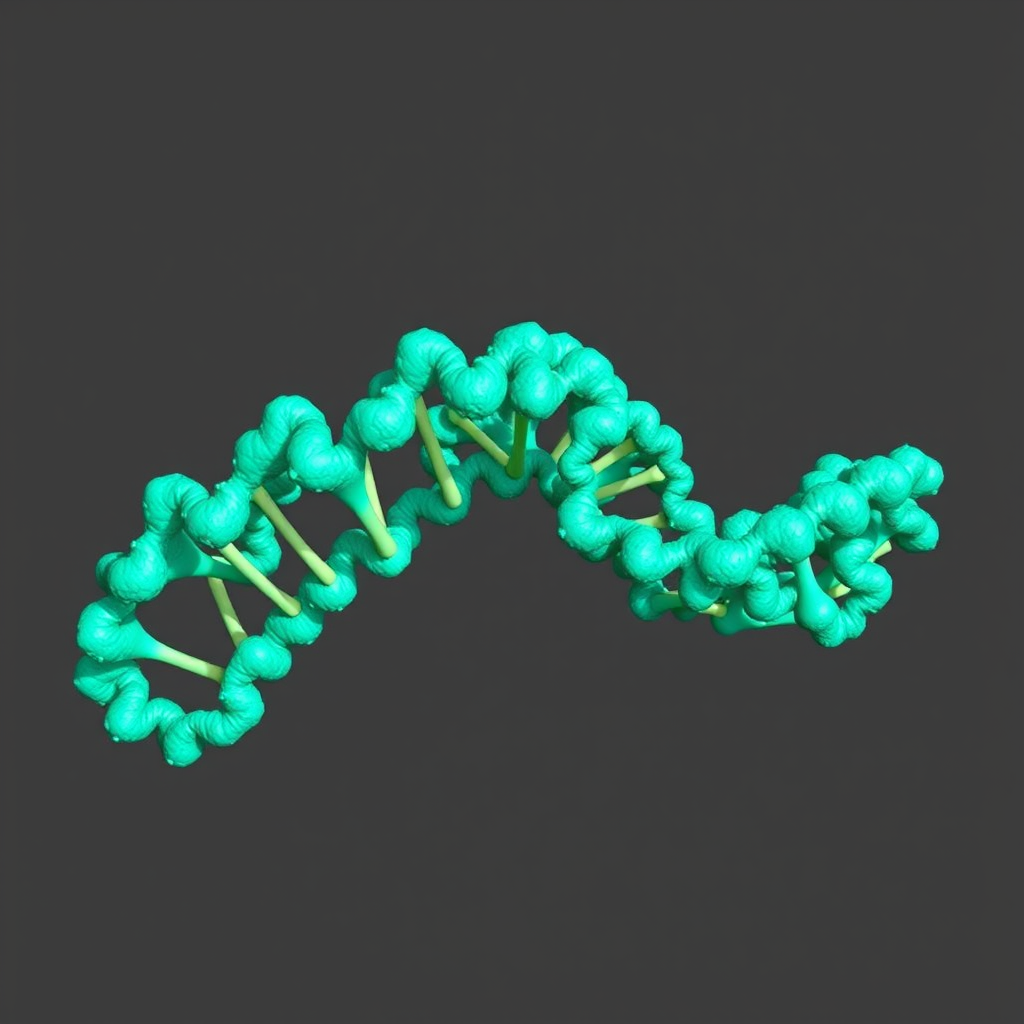 Pymol Command Generator
 virus generator v 1
 Bio Capture Imagery
 Chemical Reaction Live Photography
 Science Picture generator
 Pure Plasma
 Scintific Image Generator
 Organelle generator
 fractal del conocimiento
 sun color to atmosphere creater


 FigPad
 EZFigure
 Editable Figure

 Turn research ideas into scientific figure drafts.
 AI-powered scientific illustration and data visualization platform.
 Transform complex science into striking visuals.
 Turn text into publication-ready scientific figures.
 AI scientific figure generator for researchers.
 Visualize scientific concepts with AI-generated imagery.





How would you rate PaperPlot?
Help other people by letting them know if this AI was useful.