Mini tools

-
 Transform any topic into comprehensive academic papers instantly.Open**The Impact of Artificial Intelligence on Job Market Trends in the 21st Century** **Introduction** The advent of artificial intelligence (AI) has brought about significant transformations in various sectors, with the job market being one of the most impacted. As AI technologies continue to advance, concerns about job displacement and the future of work have become increasingly prevalent. This study aims to explore the impact of AI on job market trends in the 21st century, focusing on the industries most affected by AI automation, the evolution of job roles due to AI integration, and potential solutions for reskilling the workforce. **Literature Review** The impact of AI on the job market has been a topic of interest for researchers and policymakers alike. Studies have shown that AI automation has the potential to displace certain jobs, particularly those that involve repetitive and routine tasks (Frey & Osborne, 2013). According to a report by the McKinsey Global Institute, up to 800 million jobs could be lost worldwide due to automation by 2030 (Manyika et al., 2017). However, AI also has the potential to create new job opportunities in fields such as AI development, deployment, and maintenance. A study by Gartner found that while AI may displace 1.8 million jobs by 2022, it may also create 2.3 million new jobs in the same period (Gartner, 2017). The industries most affected by AI automation include manufacturing, transportation, and customer service. In manufacturing, AI-powered robots and machines have replaced human workers in various tasks, such as assembly and quality control (Autor, 2015). In transportation, the development of self-driving cars and trucks has raised concerns about the future of jobs for drivers (Bissell, 2019). The evolution of job roles due to AI integration has also been a topic of interest. A study by the World Economic Forum found that by 2022, more than a third of the desired skills for most jobs will be comprised of skills that are not yet considered crucial to the job today (WEF, 2020). Skills such as critical thinking, creativity, and problem-solving are becoming increasingly important in an AI-driven workforce. **Methodology** This study employed a mixed-methods approach, combining both qualitative and quantitative data. A comprehensive review of existing literature was conducted, including academic articles, reports, and data from credible sources such as the World Economic Forum, McKinsey Global Institute, and Gartner. A survey of 1000 workers across various industries was also conducted to gather data on the impact of AI on job roles and the need for reskilling. The survey included questions on the level of AI adoption in their industry, the impact of AI on their job role, and their perceived need for reskilling. **Results** The results of the survey showed that 70% of respondents believed that AI had already impacted their job role, with 40% reporting that AI had automated some or all of their tasks. The industries most affected by AI automation were manufacturing, transportation, and customer service. The survey also found that 80% of respondents believed that reskilling was necessary to remain employable in an AI-driven workforce. The most important skills for reskilling were identified as critical thinking, creativity, and problem-solving. **Discussion** The findings of this study highlight the significant impact of AI on job market trends in the 21st century. While AI automation has the potential to displace certain jobs, it also has the potential to create new job opportunities in fields such as AI development, deployment, and maintenance. The industries most affected by AI automation are those that involve repetitive and routine tasks, such as manufacturing, transportation, and customer service. However, job roles are evolving due to AI integration, with a growing need for skills such as critical thinking, creativity, and problem-solving. The results of the survey highlight the need for reskilling the workforce to remain employable in an AI-driven economy. Governments, educational institutions, and employers must work together to provide workers with the necessary skills to adapt to changing job market trends. **Conclusion** In conclusion, the impact of AI on job market trends in the 21st century is significant. While AI automation has the potential to displace certain jobs, it also has the potential to create new job opportunities in fields such as AI development, deployment, and maintenance. The industries most affected by AI automation are those that involve repetitive and routine tasks, and job roles are evolving due to AI integration. To mitigate the negative impacts of AI on the job market, it is essential to invest in reskilling the workforce. Governments, educational institutions, and employers must work together to provide workers with the necessary skills to adapt to changing job market trends. This can be achieved through initiatives such as vocational training programs, apprenticeships, and lifelong learning opportunities. **Recommendations** Based on the findings of this study, the following recommendations are made: 1. **Invest in reskilling the workforce**: Governments, educational institutions, and employers must work together to provide workers with the necessary skills to adapt to changing job market trends. 2. **Promote lifelong learning**: Workers must be encouraged to engage in lifelong learning to remain employable in an AI-driven economy. 3. **Foster a culture of innovation**: Employers must foster a culture of innovation, encouraging workers to think creatively and develop new skills. 4. **Encourage diversity and inclusion**: Employers must encourage diversity and inclusion, providing opportunities for workers from diverse backgrounds to develop new skills and adapt to changing job market trends. **References** Autor, D. H. (2015). Why are there still so many jobs? The history and future of workplace automation. Journal of Economic Perspectives, 29(3), 3-30. Bissell, M. (2019). The future of work: How self-driving cars will change the transportation industry. Journal of Transportation Engineering, 145(10), 04019085. Frey, C. B., & Osborne, M. A. (2013). The future of employment: How susceptible are jobs to computerization? Technological Forecasting and Social Change, 80(8), 1314-1324. Gartner. (2017). Gartner says AI will displace 1.8 million jobs by 2022, but create 2.3 million new jobs. Manyika, J., Chui, M., Bisson, P., Woetzel, J., & Stolyar, K. (2017). A future that works: Automation, employment, and productivity. McKinsey Global Institute. WEF. (2020). The future of jobs report 2020. World Economic Forum.
 Mintona🛠️ 30 tools 🙏 1,460 karmaNov 11, 2025@Free Research Paper GenerationI used this tool for my research paper and nobody could tell a difference, I was praised by my professor!🤭
 -
 really like this idea, since 90% of the time I put 'reddit' in my google searches, BUT this had 0 results for simple terms I tried to search
 -
 Search real papers and write literature reviews without AI hallucinations.Open
-
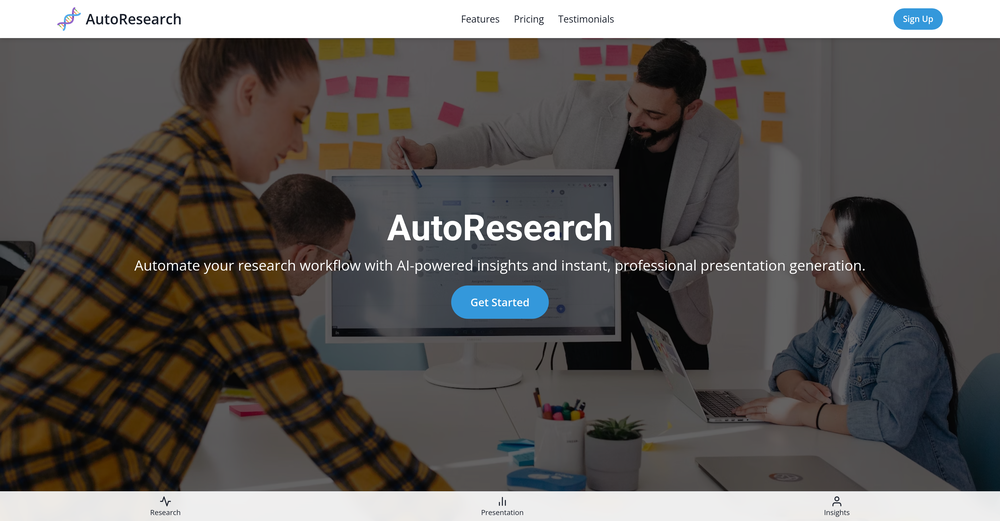 Amazing presentations, and for free!!11
 -

-
 Make Better Decisions with Data-Driven Charts, Clear Explanations, and Insightful AnalysisOpen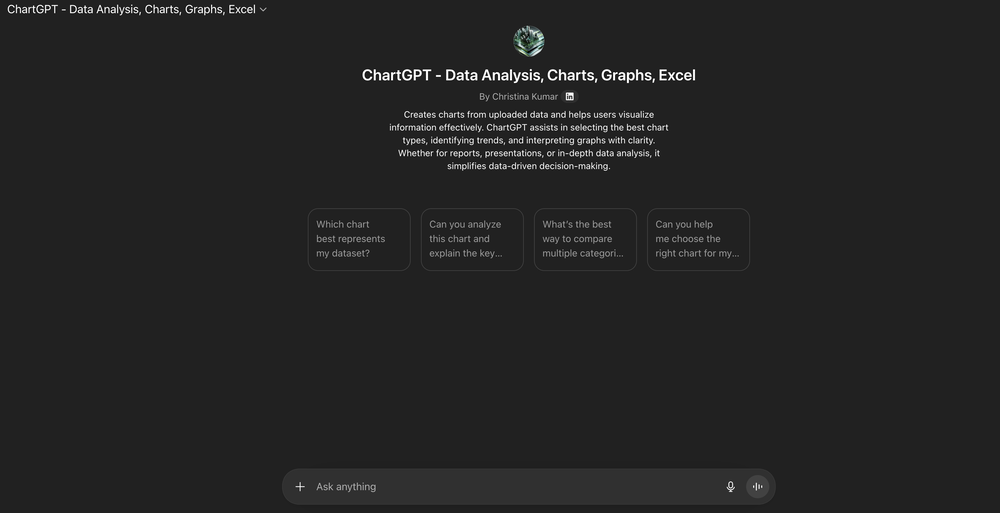
-
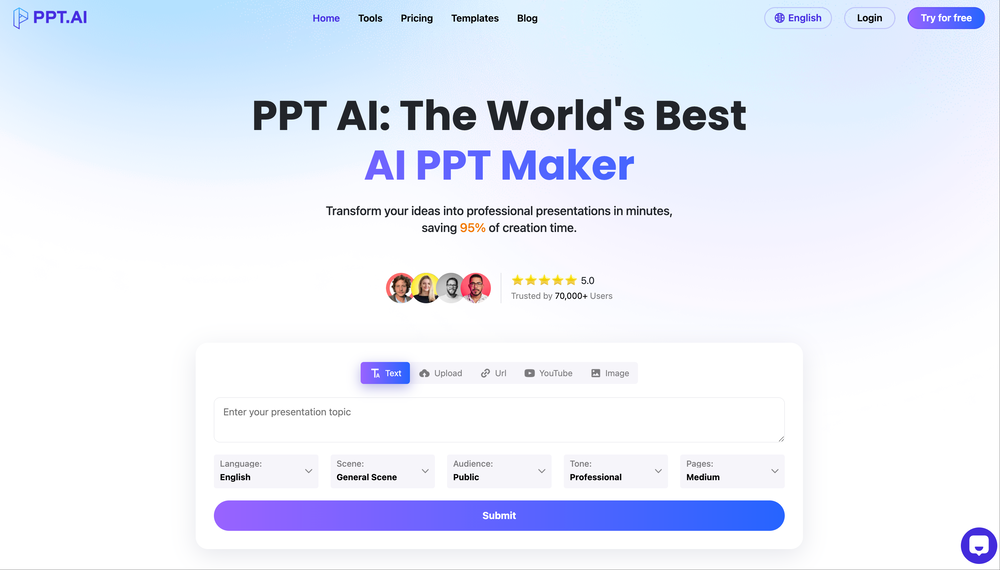 The latest version has been updated on PPT.AI (https://ppt.ai), and the previous illustrations are the original versions (the theresanaiforthat team has not updated them yet).
 -
 ChatGPT, Gemini, Mistral, Perplexity for Sheets | Programmatic SEO | Data Enrichment | o1-preview | o1-mini | gpt-4oGPT, Gemini, Mistral, Perplexity for Sheets | Programmatic SEO | Data EnrichmentOpen
 Amazing tool! it has helped me with Programmatic SEO
 -
-
-

-
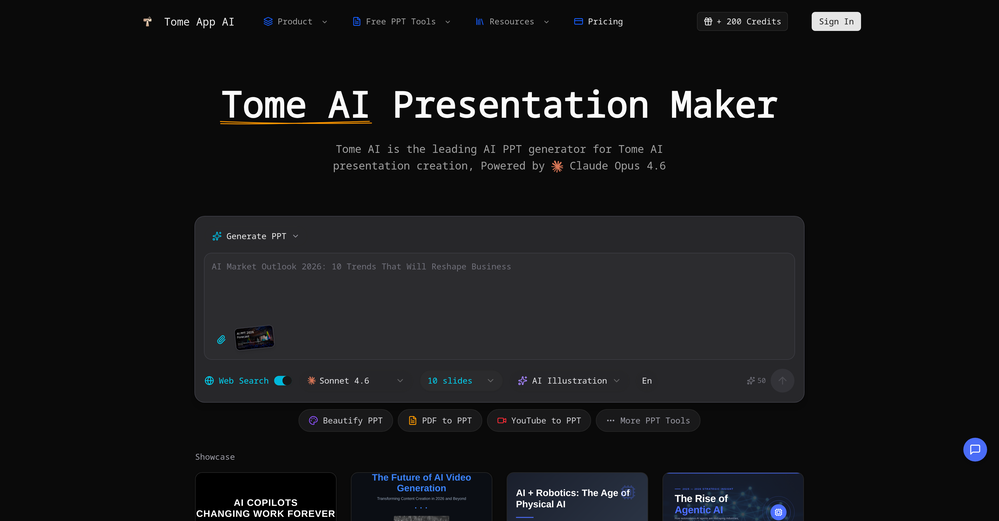 made a presentation for my site with just 1 prompt, lol how did the AI get so much information out of my website lol
 -
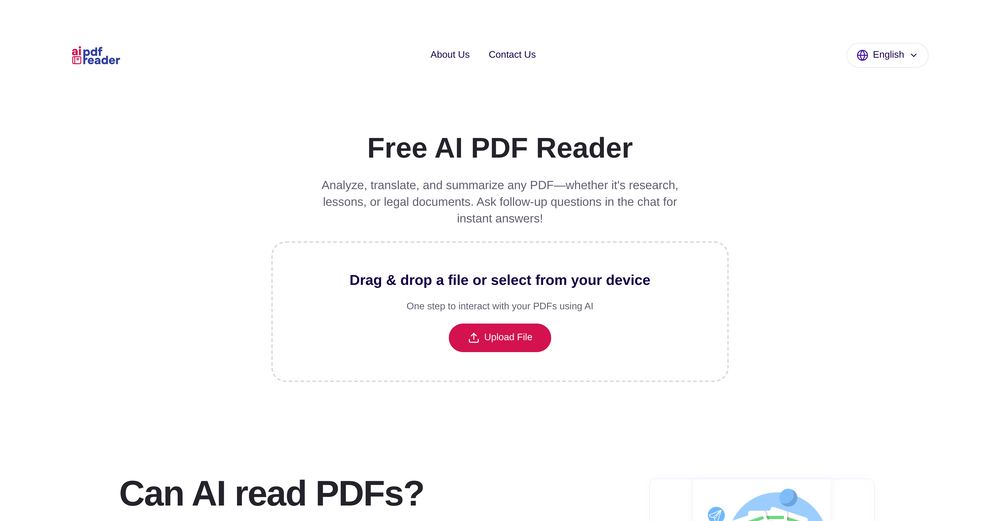 Great for skimming research papers and reports
 -
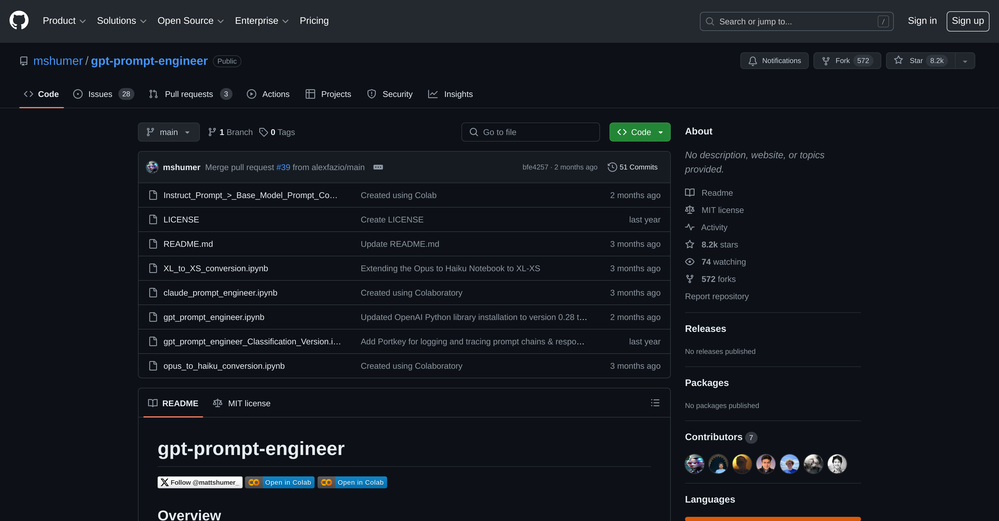
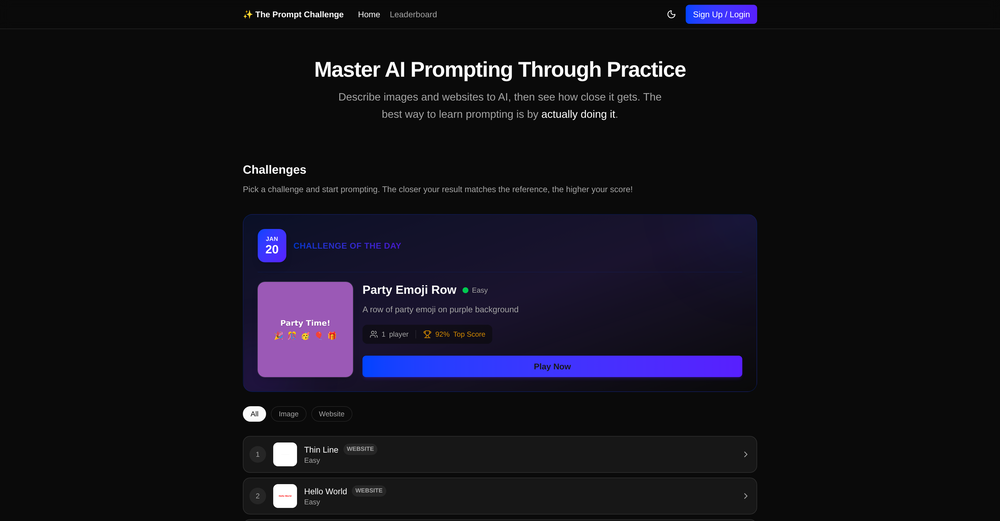 Great way to improve you prompting skills through daily exercises. This should be implemented in schools, would really help students. Can also see it being really valuable for adults. Not just for prompting, but for articulation in general. Also made a video about it: https://www.youtube.com/watch?v=A8ZRJgLCFy8
 -
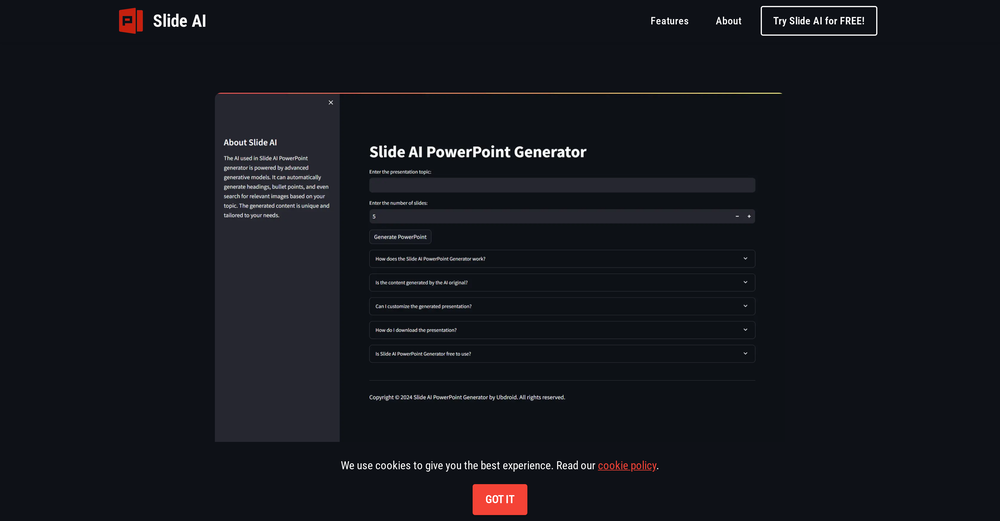 This is the first slide creator I found that actually creates an outline, and nice looking slides with images. The one negative/con is it takes yoursubject and title and generates an outline, but it doesn't allow you to put in your own outline
 -
-
 A vibrant and dynamic YouTube channel banner in 2560x1440 resolution, featuring a stylish young girl as the central character. She has short wavy brown hair, round glasses, honey-colored eyes, black eyebrows, and is wearing casual sporty clothes like a hoodie and sneakers. She's posing confidently in an urban street background with neon lights and graffiti, holding a camera or laptop to represent content creation. The style is modern digital art with high contrast, vibrant colors, and motivational text overlay like 'Adventure Awaits' in bold fonts. Focus on the center for mobile view, high detail, cinematic lighting, ultra HD."


















#
Tool
Task
Released
Price
Country
Views
Features
Saves
Reviews
Comments

Free Research Paper Generation
Transform any topic into comprehensive academic papers instantly.

AutoResearch.pro
AI-powered insights to instant presentations.



ChatGPT, Gemini, Mistral, Perplexity for Sheets | Programmatic SEO | Data Enrichment | o1-preview | o1-mini | gpt-4o
GPT, Gemini, Mistral, Perplexity for Sheets | Programmatic SEO | Data Enrichment



The Prompt Challenge
Master AI prompting through practice challenges.
SlideAI
Create professional presentations effortlessly with AI.