Tools 50,316
Mini tools 36,006
Companies 7,160
Tasks 11,171
Jobs 5,236
Events 78
Papers 7,805
Models 1,185
Repos 42,269
Robots 545
Devices 197
Countries 100
Investors 1,682
Collections 13,197
Job openings 338
Requests 1,502
Fundraises 1,896
Deals 410
Characters 23,228
Features 68
Tools 50,316
Tasks 11,171
Models 1,185
Mini tools 36,006
Characters 23,228
Companies 7,160
Requests 1,502
Papers 7,805
Collections 13,197
Fundraises 1,896
Investors 1,682
Countries 100
Repos 42,269
Devices 197
Features 68
Jobs 5,236
Robots 545
Events 78
Deals 410
Tools 50,316
Mini tools 36,006
Companies 7,160
Tasks 11,171
Jobs 5,236
Events 78
Papers 7,805
Models 1,185
Repos 42,269
Robots 545
Devices 197
Countries 100
Investors 1,682
Collections 13,197
Job openings 338
Requests 1,502
Fundraises 1,896
Deals 410
Characters 23,228
Features 68
Tools 50,316
Tasks 11,171
Models 1,185
Mini tools 36,006
Characters 23,228
Companies 7,160
Requests 1,502
Papers 7,805
Collections 13,197
Fundraises 1,896
Investors 1,682
Countries 100
Repos 42,269
Devices 197
Features 68
Jobs 5,236
Robots 545
Events 78
Deals 410
Go to section
Spotlight AdaptTask automation
#1 website for AI tools.Used by 80M+ humans.
TAAFT Tutorial
Generate image
Tasks
Generate text
Free mode
Trending
Leaderboard
Characters
 Mini tools
New
Featured
Lists
Agents
Requests
Jobs
Map
Newsletter
Starter pack
Free tools
Speech to text
Text translator
Remove background
Settings
Edit profile
My tools
Gallery
Dashboard
Inbox
Get featured
Contact TAAFT
For you
Popular
Job impact index
Most saved
Affiliate program
Submit AI tool
Notification preferences
Glossary
Home
Timeline
My profile
Create tool
Deals
Companies
Models
Robots
Papers
Fundraises
Repositories
Devices
Organizations
Events
Prompt Pack
Merchendise
Credits
APIs
Features
Tools
Countries
Collections
Mini tools
New
Featured
Lists
Agents
Requests
Jobs
Map
Newsletter
Starter pack
Free tools
Speech to text
Text translator
Remove background
Settings
Edit profile
My tools
Gallery
Dashboard
Inbox
Get featured
Contact TAAFT
For you
Popular
Job impact index
Most saved
Affiliate program
Submit AI tool
Notification preferences
Glossary
Home
Timeline
My profile
Create tool
Deals
Companies
Models
Robots
Papers
Fundraises
Repositories
Devices
Organizations
Events
Prompt Pack
Merchendise
Credits
APIs
Features
Tools
Countries
Collections
Mini tools
New
Featured
Lists
Agents
Requests
Jobs
Map
Newsletter
Starter pack
Free tools
Speech to text
Text translator
Remove background
Settings
Edit profile
My tools
Gallery
Dashboard
Inbox
Get featured
Contact TAAFT
For you
Popular
Job impact index
Most saved
Affiliate program
Submit AI tool
Notification preferences
Glossary
Home
Timeline
My profile
Create tool
Deals
Companies
Models
Robots
Papers
Fundraises
Repositories
Devices
Organizations
Events
Prompt Pack
Merchendise
Credits
APIs
Features
Tools
Countries
Collections

▼ Popular
Code humanizer
Free mode
100% free
Freemium
Free Trial
Featured matches
-
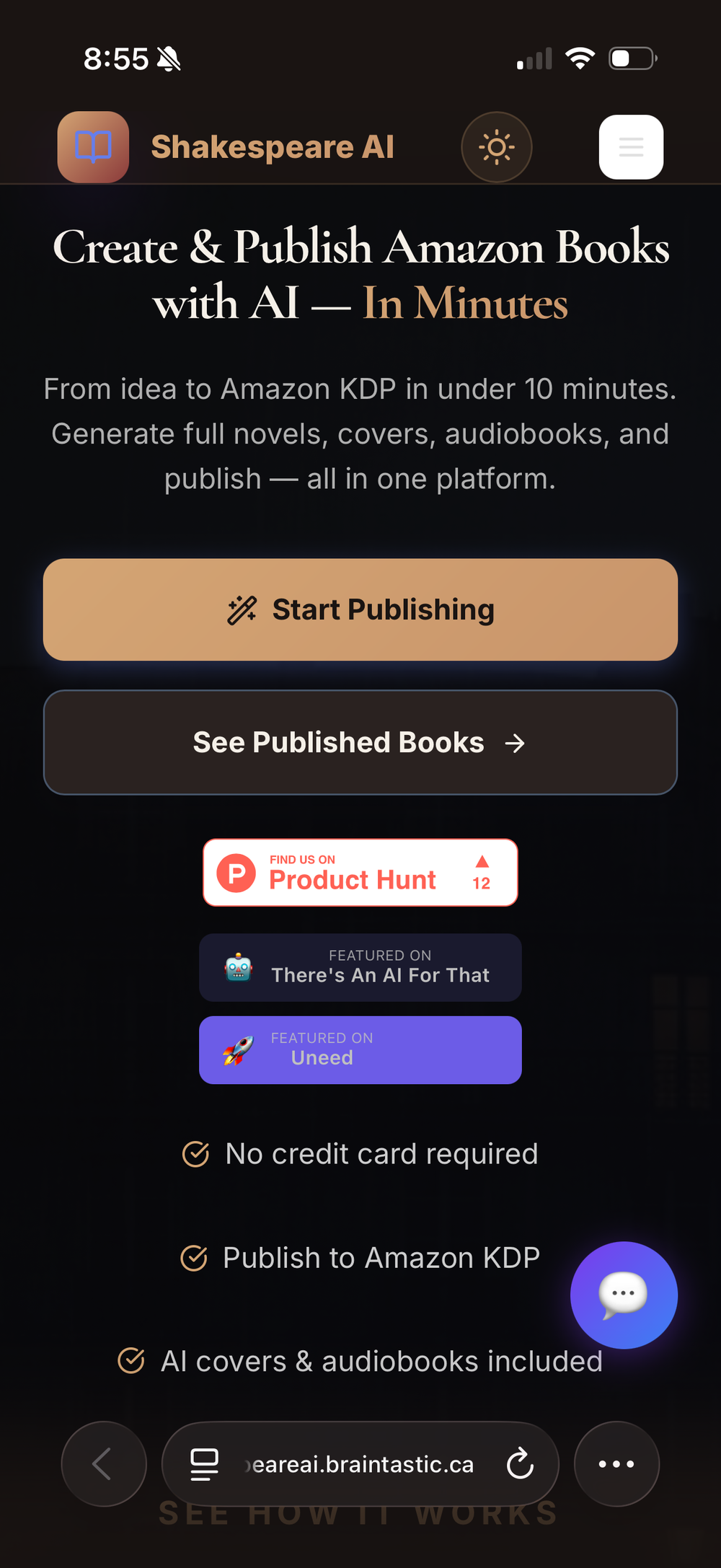 Maria Cristina Martinelli🙏 2 karmaApr 24, 2026@ShakespeareAII love ShakespeareAi. After trying other products I landed on their website and it’s the best thing that ever happened to me. At first there were a few problems, but the team has been efficient and very quick in solving them for me, even accepting suggestiona from me.


Ask the community

Nabasa Isaac
🙏 1 karma
Oct 31, 2024
# Part (a): Add a Student
def add_student(student_list, student_id, name, age, course):
# Check for unique student ID
for student in student_list:
if student['student_id'] == student_id:
print(f"Error: Student ID {student_id} already exists!")
return
# Add the new student
student_list.append({
'student_id': student_id,
'name': name,
'age': age,
'course': course
})
print(f"Student {name} added successfully.")
# Part (b1): Find a Student by ID
def find_student_by_id(student_list, student_id):
for student in student_list:
if student['student_id'] == student_id:
return student
print("Student not found!")
return None
# Part (b2): Remove a Student by ID
def remove_student_by_id(student_list, student_id):
for student in student_list:
if student['student_id'] == student_id:
student_list.remove(student)
print(f"Student ID {student_id} removed successfully.")
return
print("Student not found!")
# Part (c): Class Definitions
class Person:
def __init__(self, name, age):
self.name = name
self.age = age
def __str__(self):
return f"Name: {self.name}, Age: {self.age}"
class Student(Person):
def __init__(self, name, age, course):
super().__init__(name, age)
self.course = course
def study(self):
print(f"Student is studying {self.course}")
class Instructor(Person):
def __init__(self, name, age, subject):
super().__init__(name, age)
self.subject = subject
def teach(self):
print(f"Instructor is teaching {self.subject}")
# Demonstration of polymorphism
student1 = Student("Alice", 20, "Mathematics")
instructor1 = Instructor("Bob", 40, "Physics")
print(student1) # Uses __str__ from Person
student1.study() # Calls study method from Student
print(instructor1) # Uses __str__ from Person
instructor1.teach() # Calls teach method from Instructor
# Part (d): Higher-order function for sorting students
def sort_students(student_list, key_function):
return sorted(student_list, key=key_function)
# Sample student list
students = [
{"student_id": 1, "name": "Alice", "age": 20, "course": "Mathematics"},
{"student_id": 2, "name": "Bob", "age": 22, "course": "Physics"},
{"student_id": 3, "name": "Charlie", "age": 19, "course": "Chemistry"}
]
# Demonstrate sorting by age
sorted_by_age = sort_students(students, key_function=lambda s: s["age"])
print("Students sorted by age:", sorted_by_age)
# Demonstrate sorting by name
sorted_by_name = sort_students(students, key_function=lambda s: s["name"])
print("Students sorted by name:", sorted_by_name)