TAAFT Tutorial
Generate image
Tasks
Generate text
Free mode
Trending
Leaderboard
Characters
 Mini tools
New
Featured
Lists
Agents
Requests
Jobs
Map
Newsletter
Starter pack
Free tools
Speech to text
Text translator
Remove background
Settings
Edit profile
My tools
Gallery
Dashboard
Inbox
Get featured
Contact TAAFT
For you
Popular
Job impact index
Most saved
Affiliate program
Submit AI tool
Notification preferences
Glossary
Home
Timeline
My profile
Create tool
Deals
Companies
Models
Robots
Papers
Fundraises
Repositories
Devices
Organizations
Events
Prompt Pack
Merchendise
APIs
Features
Tools
Countries
Collections
Videos
Mini tools
New
Featured
Lists
Agents
Requests
Jobs
Map
Newsletter
Starter pack
Free tools
Speech to text
Text translator
Remove background
Settings
Edit profile
My tools
Gallery
Dashboard
Inbox
Get featured
Contact TAAFT
For you
Popular
Job impact index
Most saved
Affiliate program
Submit AI tool
Notification preferences
Glossary
Home
Timeline
My profile
Create tool
Deals
Companies
Models
Robots
Papers
Fundraises
Repositories
Devices
Organizations
Events
Prompt Pack
Merchendise
APIs
Features
Tools
Countries
Collections
Videos
Mini tools
New
Featured
Lists
Agents
Requests
Jobs
Map
Newsletter
Starter pack
Free tools
Speech to text
Text translator
Remove background
Settings
Edit profile
My tools
Gallery
Dashboard
Inbox
Get featured
Contact TAAFT
For you
Popular
Job impact index
Most saved
Affiliate program
Submit AI tool
Notification preferences
Glossary
Home
Timeline
My profile
Create tool
Deals
Companies
Models
Robots
Papers
Fundraises
Repositories
Devices
Organizations
Events
Prompt Pack
Merchendise
APIs
Features
Tools
Countries
Collections
Videos
▼ Top rated
Study notes into song
Free mode
100% free
Freemium
Free Trial
Featured matches
-
 First General AI Agency. Designed for long-horizon tasks.Open
 Bonnie🙏 24 karmaMar 5, 2026@SureThing.io - "OpenClaw" for BeginnersI've put about 30-40 hours into SureThing, and it's seriously been a game-changer, basically acting like a virtual COO for my business!
 -
-
 The fastest way to streamline your client's inefficient workflowsOpen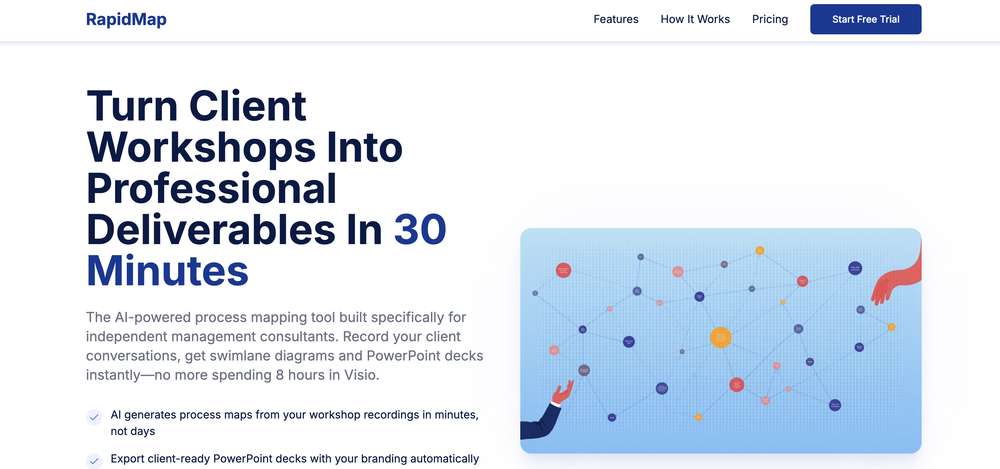
-
-
-
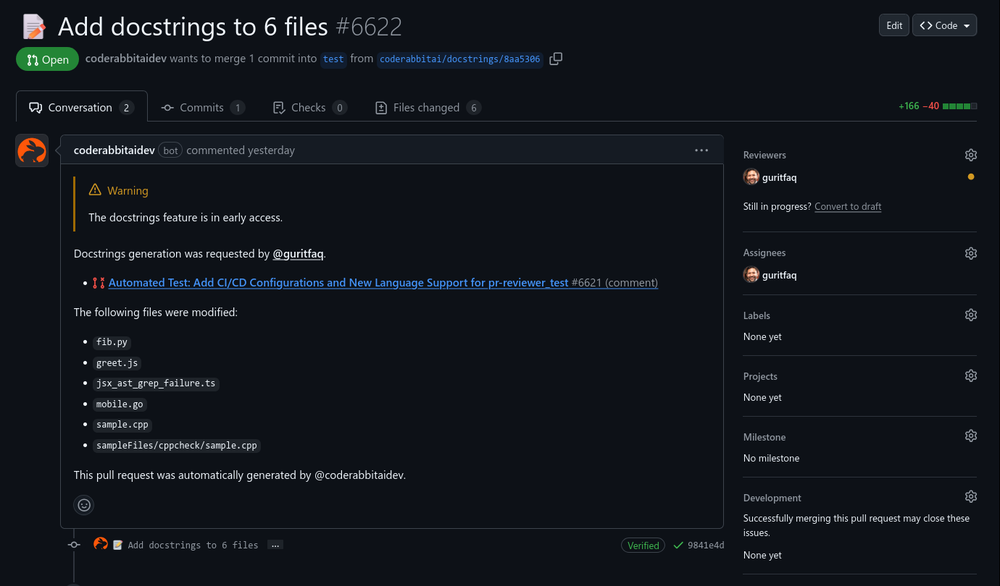 Reducing manual efforts in first-pass during code-review process helps speed up the "final check" before merging PRs
 -
 Open
Open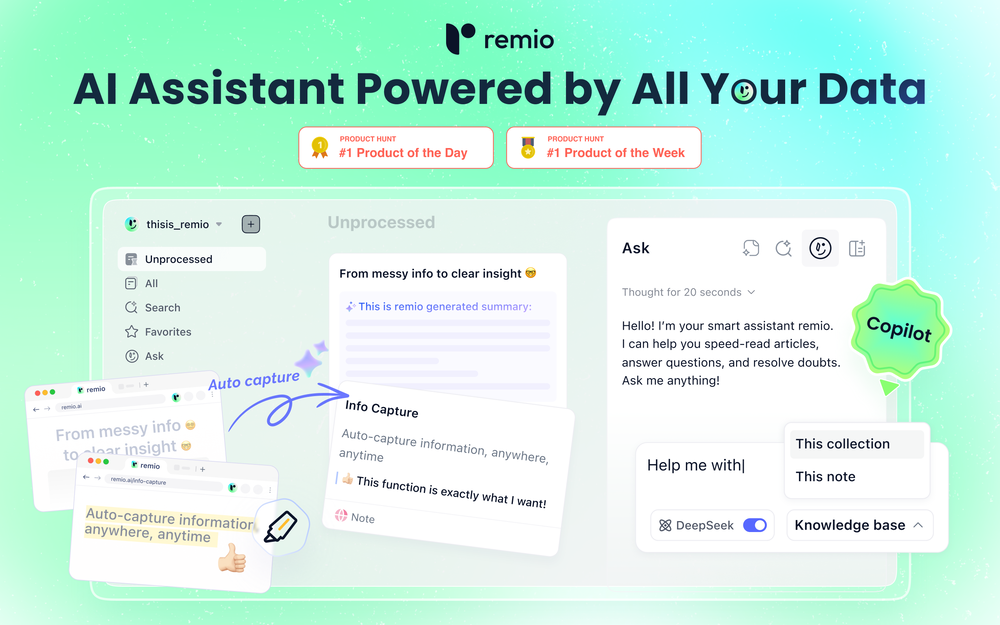 remio is a comprehensive note taking app that store all data locally for security. One of remarkable remio's feature is auto capture for web pages.
 -
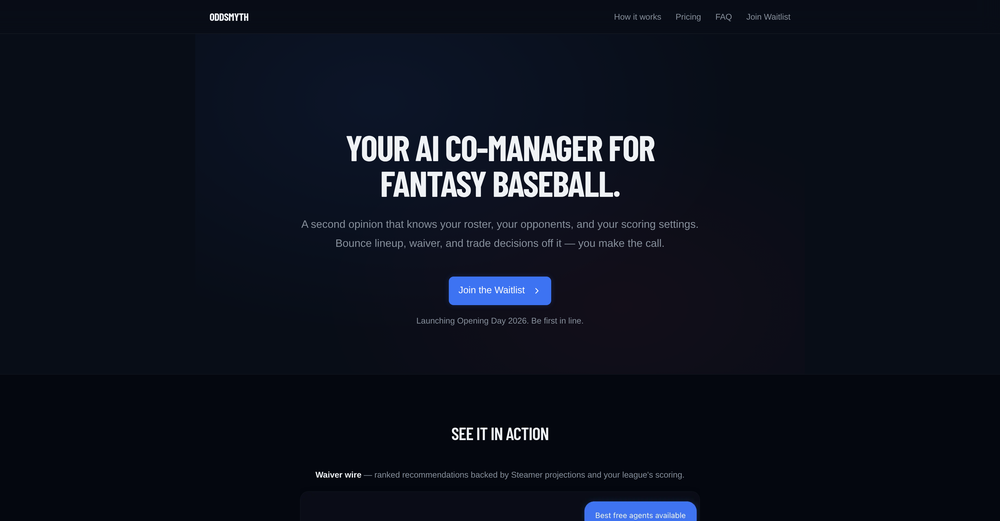 Hey! I'm Kwan, the solo founder behind Oddsmyth. I built this because I play in 2 Yahoo H2H fantasy baseball leagues and was spending 30+ minutes every morning researching lineups, scanning the waiver wire, and evaluating trades. The tools I tried (FantasyPros, Yahoo's built-in recs) all had the same problem: they don't know my league. They give generic advice based on generic rankings. Oddsmyth connects to your Yahoo Fantasy league and actually knows your roster, your opponents, your scoring settings, and who's available on your waiver wire. You can ask it anything in plain English ("who should I start today?", "is this trade worth it?", "who should I grab off waivers?") and it gives you a specific answer with reasoning based on your situation. It's not meant to replace doing your own research. It's a second opinion you can bounce decisions off of when you're torn on a close call or managing multiple leagues and don't have time to dig into every decision. The AI is powered by Claude and uses live data from the MLB Stats API, FanGraphs Steamer projections, and your Yahoo league data. You get 5 free credits to try it. Quick questions (game times, scores, injury checks) are always free. I'd love feedback from anyone who plays Yahoo fantasy baseball. What's working, what's not, what would make it more useful. I'm building this in public and actively improving it based on what real users tell me.
 -
-









Other tools
- Sponsor
 Tripo AI 3D Generator
 -
-
Impressive work from the team at Tented.ai, their approach to AI-driven automation is genuinely next-level.
-
 Rename, organize, and search files by content with local AIOpen
 -
 OpenRecruitment in AutoPilot. Customisable hiring rounds as per Job Roles Adaptive Voice AI Interview
 -
 Real-time AI-powered Scripture display and note taker that responds to voice.Open
 -
 Open
Open -
threw it at our dusty help center and it cooked. pulled context from tickets and updates and wrote clean articles and faqs. inbox got quieter fast. solid tool.
- Didn't find the AI you were looking for?
-
 OpenI built Remy to solve a problem I face every day: Newsletter overload 📬 Remy is your personal AI assistant that summarizes all your newsletters into a single digest email. Go from a cluttered inbox to a clear, concise briefing in one go.
 -
Really smooth experience with Vivgrid, makes taking agents to production way easier.
-
 Your AI-powered file organizer that respects privacy for macosOpenGood Replacement for the sparkle. Keep it up
 -
-
-
 The Most Complete End-to-End MCP for WordPressOpenEasy MCP AI enables you to do vibe blogging—write, edit, and manage your WordPress site without opening the WordPress admin dashboard. Never let your WordPress site go silent. Conduct content audits, create new posts, optimize existing posts, or perform any task within WordPress easily from anywhere.

















Ask the community

TheGuy FromHere
Feb 15, 2025
Section B: Short Answer Questions (Summary in Paragraph Form with Titles)
The Six Steps in Conducting a Literature Review
Conducting a literature review involves six essential steps. First, researchers must identify key terms relevant to their topic, which helps in searching for literature efficiently. Next, they locate literature using academic databases and reliable sources such as peer-reviewed journals. After gathering sources, it is important to evaluate and select literature by ensuring that the studies are credible, relevant, and diverse. The next step is organizing the literature by grouping studies based on themes, methodologies, or theoretical frameworks. Once organized, the researcher synthesizes the literature by identifying key patterns, contradictions, and research gaps. Finally, they write the literature review by summarizing major themes and justifying the study’s significance.
Definition and Importance of a Literature Review
A literature review is a written summary of past research that helps in identifying gaps, establishing a foundation for new studies, and preventing unnecessary duplication. It is crucial in both qualitative and quantitative research, but its role differs. In quantitative research, it justifies the research problem, supports theoretical frameworks, and helps compare results with prior studies. In qualitative research, it provides context and is often used at the end of the study to compare findings with previous research.
Types of Research Reports
There are several types of research reports. Dissertations and theses are lengthy, detailed academic reports required for obtaining degrees and are typically defended before a committee. Journal articles are shorter research reports that undergo peer review and are published in academic journals. Conference papers, on the other hand, are research presentations at academic events, allowing researchers to share findings and receive feedback before formal publication.
Differences in Literature Review for Qualitative and Quantitative Research
Evaluating and selecting high-quality sources in a literature review is important because it ensures that the research is based on credible and reliable information. Using low-quality or biased sources can lead to misinformation and weaken the study’s validity. Reliable sources, such as peer-reviewed journals and major academic publishers, enhance the accuracy and credibility of research conclusions.
---
Section C: Essay Questions (Summary in Paragraph Form with Titles)
The Six Steps of Literature Review and Their Importance
The process of conducting a literature review follows six key steps, each serving an essential purpose. Identifying key terms ensures that the research focus is clear and specific. Locating literature through credible academic sources provides a solid foundation for understanding existing knowledge. Evaluating and selecting sources allows researchers to filter out unreliable or irrelevant studies. Organizing literature ensures a logical flow in the review by grouping similar studies together. Synthesizing literature helps identify major themes, contradictions, and gaps, allowing for a more critical analysis. Writing the literature review presents these findings in a structured manner, making it easier to justify the research and demonstrate its significance.
Purpose and Importance of a Research Report
A written research report is crucial because it communicates findings to the academic and professional community. It ensures transparency in the research process, allowing others to verify and replicate the study. Research reports also support decision-making in various fields, such as education and policymaking, by providing data-driven insights. Additionally, they contribute to scholarly discussions, advancing knowledge and promoting further research.
Comparison of Different Types of Research Reports
Different types of research reports serve different purposes. Dissertations and theses are comprehensive academic studies conducted as part of degree requirements. Journal articles are condensed reports meant for publication in academic journals, often subject to rigorous peer review. Policy reports are designed for decision-makers, providing clear and concise recommendations based on research findings. Conference papers, in contrast, present early research results at academic events, allowing for feedback and discussion before final publication.
Synthesizing Literature for a Well-Structured Review
Synthesizing literature is an important aspect of a well-structured literature review. Instead of merely summarizing different studies, synthesis involves identifying connections between them, spotting patterns, and highlighting contradictions. For example, if multiple studies suggest that online learning improves student engagement, this can be identified as a common theme. If some studies contradict this finding, those discrepancies must be examined to understand why. Synthesizing literature helps establish a clear research gap and justifies the need for further study.
The Role of Conference Papers vs. Journal Articles
Conference papers and journal articles both play important roles in academic research but serve different functions. Conference papers are shorter reports presented at academic conferences, allowing researchers to share preliminary findings and receive feedback. They provide an opportunity for networking and collaboration with other scholars. Journal articles, on the other hand, are more detailed and undergo a formal peer review process before publication. While conference papers focus on discussion and refinement, journal articles provide finalized research for a wider academic audience. Both contribute to the advancement of knowledge in their respective ways.
---
This version makes it easier to navigate the answers while keeping them concise. Let me know if you need any modifications! 😊