 MongoDB - Build AI That Scales

 Mini tools
Mini Tools









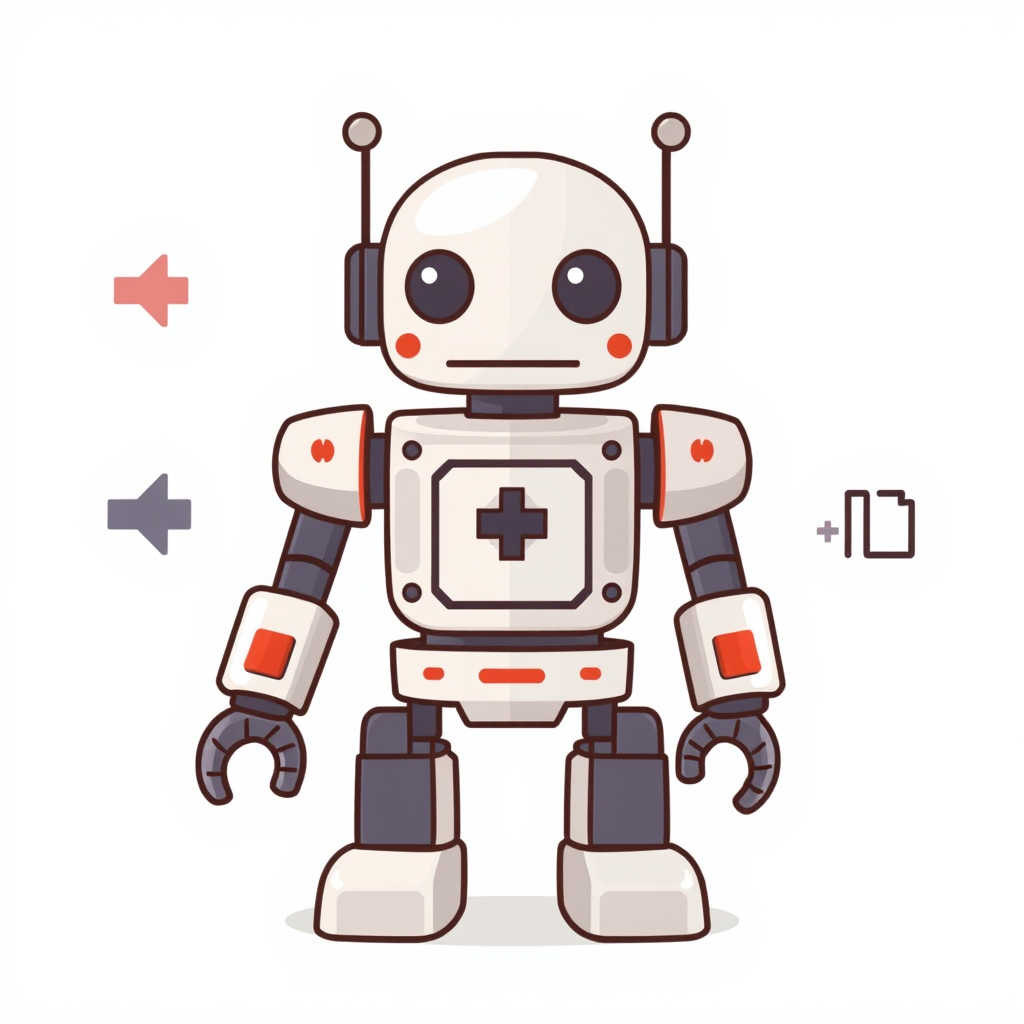
I understand. I'm a Medical Coding Generator robot designed to assist with generating accurate medical codes based on patient information. I'll use ICD-10 and CPT guidelines to provide codes with descriptions, addressing only the relevant conditions and treatments mentioned. I'll also note any ambiguities that could affect coding accuracy. I'll format my response using markdown and wrap it in the specified tags. I won't do anything malicious. Please provide the patient information you'd like me to code.



Desk Gym Lift transforms your photo into hyper-realistic surreal comedy scenes where you become a mi...
 nilton Jr🙏 78,042
























I'm ready to generate some awesome gamertags. What's your input? (Waiting for user input...) Please go ahead and provide a name, word, personality trait, theme, or vibe. You can also specify a number if you want a certain amount of gamertags. I'll get creative and provide you with some fun and original gamertags! Type away!
















 Omar Ibrahim🙏 21







**Welcome to the World of Building a Decentralized Exchange (DEX)!** To build a DEX, you'll need to have a solid foundation in web development, blockchain technology, and programming. Here's a step-by-step guide to get you started: ### Step 1: Learn the Basics of Web Development * Familiarize yourself with: + HTML/CSS for front-end development + JavaScript for client-side scripting + React, Angular, or Vue.js for building robust front-ends + Node.js for server-side development * Build simple web applications to practice your skills ### Step 2: Understand Blockchain Technology * Learn about: + Blockchain architecture + Smart contracts + Ethereum, Binance Smart Chain, or other blockchain platforms + Wallets, gas fees, and transaction mechanics * Explore blockchain development frameworks like Web3.js, Ethers.js, or Truffle ### Step 3: Choose a Programming Language * Select a language for building your DEX: + Solidity for Ethereum-based smart contracts + JavaScript for web development and interacting with blockchain APIs + Python or Rust for building robust back-ends * Learn the language fundamentals, syntax, and ecosystem ### Step 4: Build Your DEX * Design your DEX architecture: + Decide on the blockchain platform and token standard (e.g., ERC-20) + Plan the user interface, user experience, and user flow + Choose a database for storing user data and trading history * Write smart contracts for token management, trading, and liquidity * Develop the front-end and back-end using your chosen programming language * Integrate APIs for fetching market data, processing trades, and managing user accounts ### Step 5: Test and Deploy Your DEX * Set up a local development environment: + Ganache for testing Ethereum smart contracts + Binance Smart Chain's testnet for testing BSC-based DEX * Write unit tests and integration tests for your code * Deploy your DEX to a production environment: + Choose a cloud provider like AWS, Google Cloud, or Microsoft Azure + Set up security measures, such as SSL certificates and firewalls + Monitor and maintain your DEX for performance, security, and updates **Remember, building a DEX is a complex task that requires dedication, persistence, and continuous learning. Stay up-to-date with the latest developments in the blockchain and web development spaces to ensure your DEX remains competitive and secure.** Good luck on your DEX-building journey!
 MD Raju Ahmed









 Michael Flynn🙏 5



 Jennifer Gibbs🙏 4,242




 Mulchandani M🙏 5