PDFClean.ai
 Mini tools
▼ Latest
Thesus
Free mode
100% free
Freemium
Free Trial
Other tools
-
 Craft rigorous, arguable thesis statements for serious academic work.Open
 -
 Transform divine visions into sacred stained glass art.Open
 - Spotlight: PDFClean.ai (PDF to Spreadsheets)
-
 Design stunning Catholic stained glass with AI assistance.Open
 -
Damon Noriega🙏 1 karmaMay 19, 2025@12 Disciples Of JesusI don't like that it did not explain how it is answering the question but it did answer it, after providing other insight, which was unnecessary (to me) to answer the question. That said, it is potentially insightful to people who may not be familiar with the apostoles. So, if the intent is to capture proactively possible background criteria, then it did a good job by adding it.
-
-
 Transform any text into stunning 3D wax sculptures.Open
 - Didn't find the AI you were looking for?
-
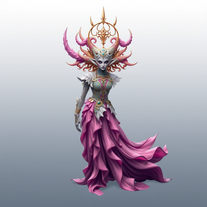 Generate vivid descriptions of surreal, art-driven worlds.Open
 -
 Unleash dark, atmospheric t-shirt designs with AI.Open
 -
 Open
Open -
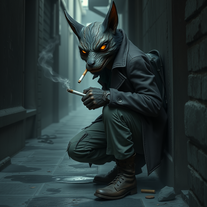 Create haunting urban AI art with surreal characters.Open
 -
Artist Tips for Better Results with Somnira Canvas: To help Somnira Canvas render the most compelling and emotionally resonant figures—whether human or animal—users are encouraged to guide the tool with poetic, suggestive phrasing rather than highly technical descriptions. This helps maintain harmony with the platform’s expressive strengths. For human figures, try emotion-based posture phrases like “curled in sorrow,” “reaching toward a fading light,” or “kneeling in wind.” Favor mood-based modifiers over anatomical specifics, such as “a silhouette bathed in dusk” or “a quiet figure in motion blur.” For animals, use mythic or metaphorical phrasing like “a fox made of stars,” “a deer outlined in frost,” or “a lion woven from dusk and gold.” Avoid strict biological realism unless intentionally stylized (e.g., “cubist owl,” “ink-drawn heron”). Best practices include specifying camera perspective or body angle with terms like “3/4 view,” “top-down shot,” or “over-the-shoulder,” and adding atmospheric cues such as “drifting in chalk mist,” “outlined by candlelight,” or “carved in shadow.” You can also add emotion-based tags directly into the prompt—words like “longing,” “grief,” “stillness,” or “wonder” will guide the aesthetic and expressive qualities of the final artwork.









Post